
The GLP-1 Revolution: Would You Take Weight Loss Wonder Drugs?
Millions are turning to GLP-1 drugs like Ozempic and Wegovy for dramatic weight loss, but the decision isn't simple. From Hollywood to Main Street, these medications are reshaping how we think about weight management.
ThoughtCove Team
ThoughtCove
A new class of medications is quietly revolutionizing weight management across America. GLP-1 receptor agonists—drugs like Ozempic, Wegovy, and Mounjaro—have captured headlines and sparked conversations from doctor's offices to dinner tables nationwide.

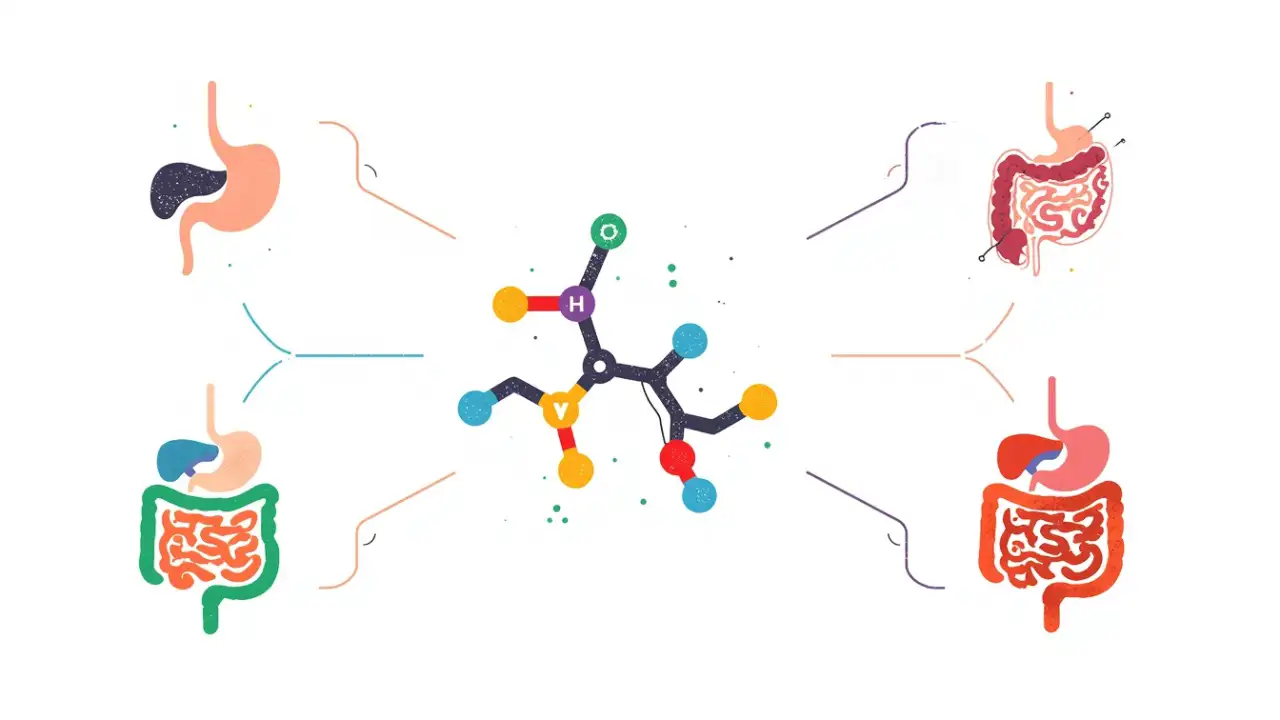
Originally developed to treat Type 2 diabetes, these weekly injections have shown remarkable effectiveness for weight loss, with clinical trials demonstrating average weight reductions of 15-20% or more. The mechanism is elegantly simple: they mimic hormones that regulate blood sugar and slow digestion, leading to reduced appetite and increased feelings of fullness.
The case for consideration is compelling. For individuals struggling with obesity or significant weight-related health issues, GLP-1s offer hope where traditional diet and exercise approaches have fallen short. Medical professionals point to potential benefits beyond weight loss, including improved cardiovascular health, better blood sugar control, and reduced risk of diabetes-related complications.
Yet the decision involves complex tradeoffs. These medications require long-term commitment, often costing $800-1,200 monthly without insurance coverage. Side effects can include nausea, digestive issues, and in rare cases, more serious complications. Some users report regaining weight if they discontinue treatment, raising questions about lifelong dependency.
The cultural conversation is equally nuanced. Supporters argue these drugs democratize access to effective weight management, potentially reducing healthcare costs associated with obesity-related conditions. Skeptics worry about medicalizing weight loss, questioning whether we're addressing root causes or simply treating symptoms.
Access remains uneven. Insurance coverage varies widely, creating disparities in who can afford treatment. Meanwhile, supply shortages have periodically disrupted availability, highlighting the growing demand.
As GLP-1 usage continues expanding beyond celebrity endorsements into mainstream medicine, the question becomes personal: given the potential benefits, risks, and costs, would you consider this approach for yourself? Share your perspective—your voice adds to this important conversation about the future of weight management.